Reincarnation as this owl — that’s what I want. Not merely to flaunt my aerial adroitness, fierce gaze, and stunning plumage. I like the idea of staying up all night and hooting from trees.
I found the video here via a journalist whose work I admire. But James Fallow‘s likening of owls to cats with wings borders on a slur, however unintended.
My closest encounter with an owl of such regal bearing came several years ago just after dusk. I stepped outside onto the back deck overlooking our small goldfish pond and there it was six feet away. More than a foot tall, the owl was perched atop the back of a tall aluminum chair. We stared at each other longer than I expected, maybe a minute, no sign of fear in its unblinking eyes. As if finally bored with our encounter, the owl slowly unfurled its wings. Next came two sounds: the ting of talons clicking against metal, then a whispered whoosh as the owl lifted off into the night.
Blind trust or death wish? One or the other afflicts the many pedestrians using cell phones as they cross busy downtown streets. I see them often while driving in downtown Portland. They don’t see me. The increased risk of getting run over while using phones is well-documented. Now comes Siri, the virtual personal assistant on the new iPhone 4S, who carries out your spoken instructions and answers you. Something tells me that countless more pedestrians, lost in conversation with Siri, will cut themselves off from the dangers around them. Maybe a future iPhone version will empower Siri to shout at distracted pedestrians approaching intersections the most important lesson my father taught me: look both ways.
Update: Siri at beck and call of 4 million buyers after three days of sales. Update II: Reading samples of Siri’s repartee tells me that the oblivious factor will soar. Â Â Â Â Â Â Â Â Â Â Â Â Â Â Â Â Â Â Â Â Â Â Â Â Â Â Â Â Â Â Â Â Â Â Â Â Â Â Â Â Â Â Â Â Â Â Â Â Â Â Â Â Â Â Â Â Â Â Â Â Â Â Â Â Â Â Â Â Â Â Â Â Â Â Â Â Â Â Â Â Â Â Â Â Â Â Â Â Â Â Â Â Â Â Â Â Â Â Â Â Â Â Â Â Â Â Â Â Â Â Â Â Â Â Â Â Â Â Â Â Â Â Â Â Â Â Â Â Â Â Â Â Â Â Â Â Â Â Â Â Â Â Â Â Â Â Â Â Â Â Â Â Â Â Â Â Â Â Â Â Â Â Â Â Â Â Â Â Â Â Â Â Â Â Â Â Â Â Â Â Â Â Â Â Â Â
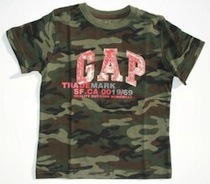
Some shopping malls can be dangerous places thanks to random outbreaks of violence, including at the one near my house. That doesn’t explain all the clothes for sale featuring patterns once the exclusive purview of battlefields and hunting grounds. Takeoffs on camouflage have infiltrated clothing lines for kids, judging from my recent shopping trips for our six-year-old son. Unless I want to outfit him as a fashionable guerrilla or wild-animal stalker, the choices are greatly reduced at places like the Gap, Old Navy, and others. Do clothing manufacturers want children to to be less easily seen? Of course not — we don’t live in forests. Do they want kids to feel macho and aspire to membership in the NRA? Doubtful. I don’t see the aesthetic appeal, though I’m an outlier given the popularity of so-called camo clothes. The simple and obvious answer: we live in a country where an estimated 200 million guns are in private ownership, where violent military-themed video games are ubiquitous, and where defense spending and a low threshold for going to war help define the national character. Next up I suppose: camo diapers.
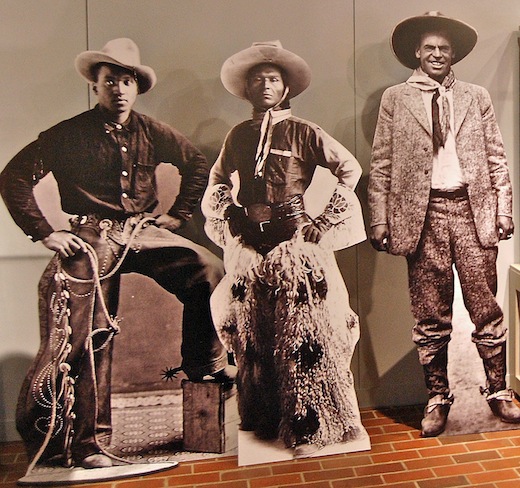
A long-dead Oregon cowboy and rodeo star, whose life I’ve written about and continue to research, is finally receiving the recognition he deserves. John Spain (right), winner of the bucking contest at the Pendleton Round-Up a century ago — an outcome still hotly debated, has been chosen for the Round-Up and Happy Canyon Hall of Fame. The honor comes decades after the two men he beat, George Fletcher (left) and Jackson Sundown (middle), were inducted into the Hall of Fame.
On Thursday I attended the Hall of Fame’s annual meeting in Pendleton, where Spain’s selection was announced. That night I had dinner with several of Spain’s relatives. They are as friendly, open, and genuine as any people I’ve met. The lively conversation made it clear that their lives are richer for having a relative whose noteworthy past brings them together and inspires sharing of stories, stories that illuminate the family’s intriguing background. And the talk wasn’t just of John Spain but his older brother Fred as well, a rodeo star in his own right and three times named “most typical cowboy” in the Round-Up’s early years. Fred also deserves entry into the Hall of Fame.
On Friday I joined three of the relatives at the Union County Museum in Union, Oregon, where the inseparable Spain brothers spent most of their lives as ranchers. Lorna Spain, whose late husband King was Fred’s son, and I delivered to the museum the life-size cutout photograph of John, pictured above. The cutout was part of the Pendleton Round-Up exhibit that I curated for the Oregon Historical Society last year, and OHS deserves thanks for giving it to the museum. (If there’s a better small-town, rural museum in America, I’ve not found it.)
As I carried “John” from my car, I couldn’t help but think he’s come home.
I strolled the aisles at Walgreens recently while waiting for a prescription. A locked glass case containing medical test equipment stopped me. I wasn’t surprised to see monitors for blood sugar and the like. What surprised me were test kits for intoxication, marijuana and cocaine use, and paternity. For a modest investment, someone could reveal evidence that disrupts or even ruins lives. How many people had stared through the glass and seen personal dramas of disappointment and betrayal in the making? Where I stood, the means for revealing tragic truths had been chosen. Or, on the bright side, the means for dispelling unfounded suspicions and restoring trust of loved ones. Beneath the faint buzz of fluorescent lights, I looked down the aisle and saw a woman watching me.
The nearby Safeway grocery reigns as my epicenter of oddity. Tonight, while waiting to buy bananas, I watched the guy in front of me pay for two big bags of potatoes. He didn’t answer the cashier’s pleasantries. When three pennies slid from the change machine, he flicked them onto the end of the counter, as if so much trash, and left. Outside, he was standing at the trunk of a sports car parked in front of mine and wrapping a rag around his hand. He briskly wiped down the rear bumper, the driver’s door handle, and things inside I couldn’t see. Was he keeping his ride immaculate or wiping away fingerprints? Not keen on him seeing me stare, I left before his work was done.
Why does the mind, acting independently of its owner, insist on attaching significance to coincidences for which chance is the only plausible explanation? Or if not attaching significance, then automatically sketching out possible narratives that have no basis in fact?
These questions and many others linger after a day of coincidences. First up: Driving to an appointment yesterday, I listened to Terry Gross interview actor and comedian Denis Leary on NPR. The news, he said, produces a treasure trove of material for jokes. Example: Heather Mills’ allegations during her divorce from Paul McCartney that the former Beatle didn’t accommodate her special needs as a leg amputee. Taking this in, I look up and see the Oregon Artificial Limb Co., established in 1906. What are the chances? This must mean something — for me. But what? And off the mind goes. . .
Later, I was walking several blocks from my house and passed an intersection with an odd juxtaposition of businesses: a liquor store, an adjoining low-budget funeral home, and across the street a building where I had long assumed abortions were performed. Such services offered within remarkably close proximity had always struck me as having some broad message about life and death. But what? Or was the juxtaposition merely an accident of zoning or vagaries of the rental market? At home I decided to learn more about the Pregnancy Resource Center. It turns out that abortions aren’t performed there. In fact, the enterprise tries to persuade young women not to have abortions. Read More
The flowers are gone. So are the candles, hand-scrawled notes, and other remembrances that for months crowded the sidewalk beneath a sign advertising passport photos. But the story they told is still with me, replayed every time I pass the intersection of NW Glisan and Broadway in Portland. It’s where a TriMet bus ran down five pedestrians in the crosswalk just before midnight on a Saturday last April, pinning three beneath the bus. Two young women were killed and a young man was badly injured.
Passing through the intersection several times each week, I see the accident and its aftermath play out in my head as if filmed with an old hand-held camera, the images dark and flickering and grainy. The people in these frames had no inkling that tragedy was about to strike. The pedestrians and many others nearby had just left a comedy club. Laughter was in the night air. The bus driver was ending her shift. Soon, emergency workers found themselves comforting victims trapped beneath the 17-ton bus.
This morning as I glanced at the empty sidewalk where the memorial had stood for months, the sun was shining and people streamed by in cars and on bikes, everybody headed somewhere into futures they can’t foresee. I wondered how many, like me, saw a horrific past that is still very much present.
Forests and cliffs along a finger of Puget Sound replace scenes from my city life. I’m driving north, Highway 101, enjoying glimpses of water reflecting gray sky. Then a small roadside cross blares a silent message: Fatal Crash Happened Here. Questions come in bursts, and the mind answers with gory images. Did the car flip? Trapped victims? And so on.
People mark spots like this to memorialize friends and family killed in an awful, pointless way. But why not honor the dead in private? Why does death by traffic accident warrant public displays that pull strangers like me into pasts not their own? Of course I might think differently about these crosses if my family, in the car with me, perishes in a wreck around the curve ahead.
Passing another cross a few miles later, I force myself to picture not bodies in mangled cars but the rented cabin that awaits us near Port Townsend on Discovery Bay. In this envisioned future, tips of snowy Olympic Mountain tops peek down at a deserted tidal flat. I’m walking amid scattered shells, where the incoming tide will wash away my footprints.
Two years ago, I was waiting in the hallway of a small Portland high school. I was there to interview students and a teacher for a story. As kids milled about in the din between classes, many hugged each other. Some embraces looked like reunions between dear friends who hadn’t seen each other for years. The hugging was so frequent and enthusiastic that I later mentioned it to my wife and a few others.
Drawing conclusions from a distance and without asking questions makes my other observations — or suspicions — suspect. Still, sincerity seemed lacking. At times the hugs appeared to be a new, more intimate way of saying hello. Some encounters struck me as intentionally over the top, contrived to attract attention. Read More
This time-lapsed video perfectly punctuates a morning of snowshoeing with my wife, along the glacier-fed White River on Mount Hood. Shot 2,600 miles away on Mauna Kea, Hawai’i, the video reminds me of my insignificance in the universe and, at the same time, the wonder of being part of its grandeur. The photographer had this composer’s music in mind when he created the video. The soundtrack of our mountain trek? Crunching snow, water against rock, and panting breaths.
Over the years I’ve learned to let silence invite candor. So people sometimes tell me more than they should, or more than I want to hear. Today, the guy cutting my hair mentioned how fast my eyebrows grow. Then he volunteered that his eyebrows have always been too sparse. Except for two adjacent hairs off to the side, like an island. His word, not mine. He said the hairs grew abnormally long. Read More
I would have stopped there if I had been a few decades younger and still reckless and easily thrilled by mega-fireworks. It was one of three stores on the Nez Perce Reservation in tiny Lapwai, Idaho, competing to sell the really good stuff for the Fourth of July. I passed it ten times during a research trip in late June.
A fire bug as a kid, I thought of the business tonight as we lit the most demure fireworks for little Atticus, who looked on in wonder, hands clasped over sensitive ears. Maybe one day I’ll take him to Lapwai and we’ll stock up at the place that wins my award for best business name ever: Pyro Paradise.